
Protecting Moms Before Crisis: Prevention, Equity, and Innovation in Columbus and Southeast Ohio
By Bianca Holder, Manager of Maternal & Infant Health Initiative, March of Dimes
Follow Bianca on Linkedin.
A Preventable Emergency
On a cold morning in Columbus, a pregnant mother stepped onto a mobile health unit parked outside a neighborhood community center. She had been experiencing headaches and swelling for days but hadn’t made it to a prenatal appointment.
Inside the unit, her blood pressure reading was dangerously high.
What happened next likely prevented a medical emergency.
Her story reflects why prevention matters and why innovative, community driven solutions are essential to closing racial gaps in maternal health across Ohio.
As we elevate conversations about racial equity in maternal and young child health, March of Dimes will spotlight both the urgency of the data and the promise of prevention happening across Ohio.
The Urgency: What the 2025 Report Card Tells Us
The March of Dimes 2025 Report Card paints a sobering picture.
Ohio received a D+ grade for preterm birth, signaling continued challenges in improving maternal and infant health outcomes. Preterm birth remains one of the leading causes of infant death and long-term health complications.

Racial disparities remain stark:
Black infants are significantly more likely to be born preterm than white infants.
Black women face higher rates of pregnancy-related complications, including hypertensive disorders.
These disparities reflect structural inequities, unequal access to care, chronic stress, and systemic bias.
Hypertensive disorders of pregnancy including preeclampsia are among the leading contributors to these outcomes.
Prevention and early detection are critical.

A Powerful Partnership: Wellness on Wheels Expands Access
OhioHealth, in partnership with March of Dimes, is working to close these gaps through its Wellness on Wheels (WOW) mobile clinics serving Central Ohio.
The Mom and Baby Mobile Health units bring healthcare directly into neighborhoods, increasing access for women who may face barriers such as transportation challenges, limited provider availability, or inflexible work schedules.
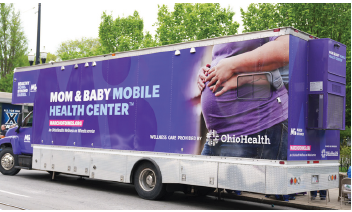
Services include:
Prenatal and postpartum care
Pap and pelvic exams
Blood pressure monitoring
Support for psychosocial and social drivers of health
Connections to ongoing care and community resources
The impact in Central Ohio is measurable. According to the 2025 Calendar Year Annual Report:
364 unique patients were served
1,879 completed visits occurred
960 prenatal visits were conducted
193 postpartum visits were completed
These numbers represent earlier screenings, strengthened trust, and critical opportunities to intervene before complications escalate.
Expanding Reach: The SE Ohio Sprinter Van
In 2025, OhioHealth and March of Dimes expanded its mobile health efforts with the launch of a Southeast Ohio Sprinter van marking the first year this mobile unit served more rural communities.
Rural families often face additional barriers, including provider shortages, longer travel distances, and hospital closures.
In its inaugural year, the SE Ohio mobile unit:
Served 60 distinct patients
Completed 146 visits
While smaller in scale than the Central Ohio unit, this expansion represents a significant step toward addressing geographic inequities in maternal health access.
Bringing prenatal and postpartum services directly into rural communities strengthens early intervention and ensures families are not left behind due to zip code. We are looking forward to seeing what 2026 holds!
The Low-Dose Big Benefits Campaign: A Simple, Evidence-Based Tool
Alongside mobile care, the March of Dimes Low-Dose Aspirin (LDA) campaign increases awareness of a proven intervention to reduce the risk of preeclampsia.
Clinical guidelines recommend 81 mg of low-dose aspirin during pregnancy for individuals at increased risk of hypertensive disorders. When started at the appropriate time, low-dose aspirin has been shown to:
Reduce the risk of preeclampsia
Lower the likelihood of preterm birth
Improve overall pregnancy outcomes
Yet many eligible patients remain unaware of this recommendation—particularly in communities disproportionately impacted by hypertension.
Education, trust, and access must work together for prevention to be effective.
Strengthening Prevention: The Blood Pressure Cuff Pilot
To deepen this effort, we are launching a blood pressure cuff pilot program on our Columbus and SE Ohio Mom and Baby Mobile units in alignment with the Low-Dose Aspirin campaign.
Through this initiative, pregnant individuals identified as at risk will receive:
A home blood pressure cuff
Educational materials on hypertension warning signs
Support for conversations with providers about low-dose aspirin
A blood pressure tracking log
Hypertension can escalate rapidly. Home monitoring allows families to track trends between appointments and identify warning signs early. This is particularly important for both underserved urban neighborhoods and rural communities.
This pilot extends prevention beyond the clinic visit and empowers families to participate actively in their care.
Moving Ohio Forward
As we spotlight racial equity in maternal and young child health this February, we invite providers, community leaders, and policymakers to:
Educate eligible patients about low-dose aspirin.
Support mobile health initiatives that expand urban and rural access.
Invest in community-based prevention models.
Address structural barriers contributing to maternal health disparities.
Improving Ohio’s maternal and infant health outcomes and its future Report Card grade requires sustained commitment.
When we bring prevention closer to families, we reduce emergencies, strengthen trust, and close gaps in care.
To learn more about our March of Dimes report card or our Low Dose Big Benefits campaign please visit:


